
Familynes Care

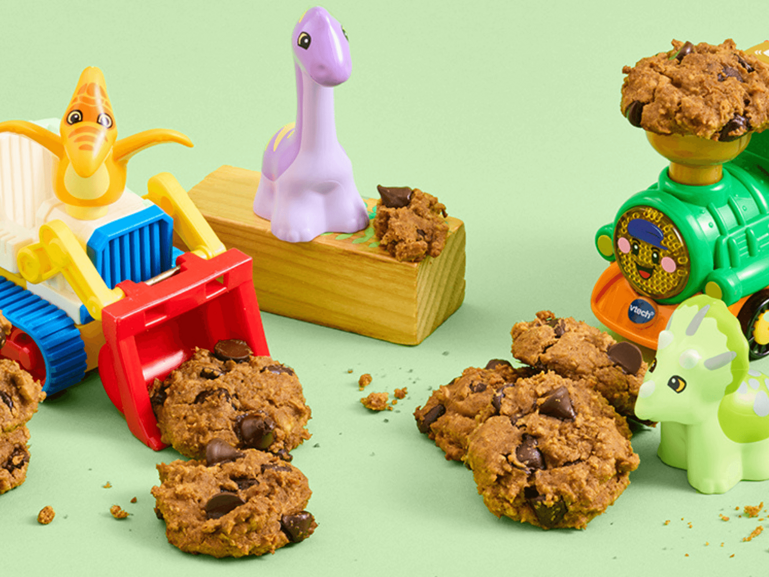
New Recipes for Little Tummies

We have just added 26 new toddler-friendly recipes that fit into breakfast, lunch, dinner - or whenever hunger strikes

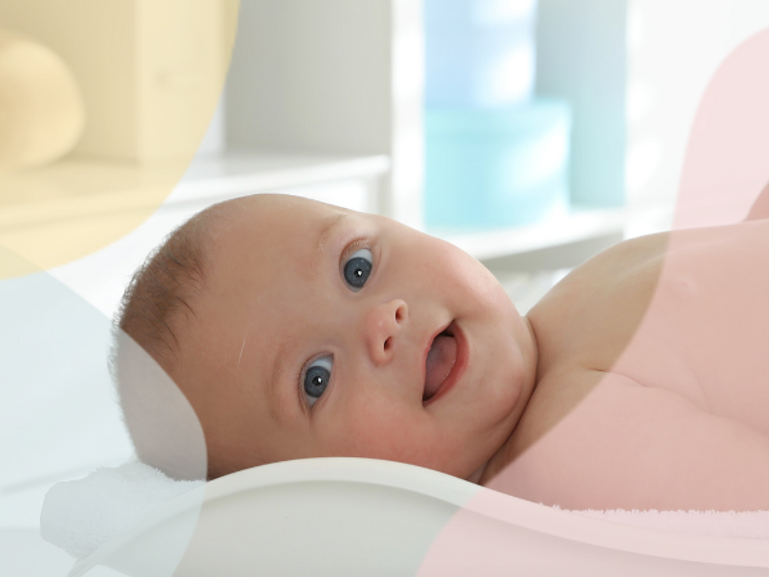
smiling baby lying on scale with nappy on

Want to keep track of your child’s growth?​

Use our infant growth calculator to keep track of your child’s weight and height from birth to 3 years. The perfect resource for your next healthcare professional visit.​

Here to support you, every step of the way.

From the moment you decide to start trying for a baby until your little one goes to school, Nestlé FamilyNes will be there with expert-backed nutritional advice, personalised tools, and parental support to help you navigate your parenting journey.

FamilyNes Search Icon

Search our topics

View details Development
Toddler taking her first steps

Development

In one blink your newborn has suddenly turned into a toddler. It’s incredible to see your little one grow and learn at such a rapid rate.

View details Parenting Guide
mother and father holding their baby

Parenting Guide

Being a parent can be both beautiful and challenging. That is why we are here to provide you with easy guides that can help them along this rollercoaster called parenthood.

View details Nutrition
toddler eating yoghurt

Nutrition

Optimal nutrition during the first 1000 days and beyond is important for you and your little one.

View details Recipes
Broccoli and Cauliflower Cheese Bake Recipe

Recipes

Looking for baby food and pregnancy recipes? Discover simple, delicious meals designed to nourish you and your baby every step of the way, from pregnancy to toddlerhood.​

View details Wellbeing
Mother holding baby in the air Infront of trees

Wellbeing

Our children’s health and happiness is one of our top priorities as a parent.

FamilyNes Recipes Icon

Discover our recipes

Baby Sushi Avocado and Tuna

Baby Sushi Tuna Avocado

25 mins
Savoury Mini Muffins - Veggies

Savoury Mini Muffins - Veggies

20 mins
Baked Mushroom Risotto

Baked Mushroom Risotto

90 mins
Mango Frozen Minipops

Mango Frozen Minipops

8 mins
Cripsy salmon nuggets on a green spotted plate with yellow background

Crispy Salmon Nuggets

20 mins
Avocado Macaroni and Cheese

Avocado Macaroni and Cheese

10 mins
Apple Crumble

Apple Crumble

20 mins
Avocado Broccoli Puree

Broccoli and Avocado Puree

10 mins

Popular FAQS

When to Take a Pregnancy Test

Pregnancy FAQs

A regular home pregnancy test should be taken from around 11 days after your missed period. If you’re not keen to wait, there are early response pregnancy tests available for around 6 days before your missed period. The directions on pack will advise the best time of day to do the test, however urine is more concentrated upon waking, so taking the test in the morning may increase its accuracy. Keep in mind that home pregnancy tests are useful as a first indication, but you should visit your healthcare professional for confirmation of the result.

When Are You Most Fertile?

Fertility FAQs

You are most fertile when you ovulate. Ovulation is when your body releases an egg from your ovaries, in preparation to be fertilised by sperm. This happens about 2 weeks after the start of your last period, or around day 15 of a 28-day menstrual cycle. Menstrual cycles can vary, so keeping track of yours will help you identify this perfect ‘window’ of opportunity.

Can You Drink Coffee When Breastfeeding?

Breastfeeding FAQs

It is known that caffeine does pass through into your breast milk. As caffeine is a stimulant and may affect your baby, it’s important to limit your intake while breastfeeding.  Drinking small amounts, less than 200mg/day should be ok. 200mg is equivalent to approximately 1 espresso; 2 instant coffees; or 4 cups of tea.  If you’re re-introducing coffee after your pregnancy you may want to start back slowly and monitor for any signs of unsettledness in your baby.

When Can Babies Start Solids?

Introducing Solids FAQs

Australian guidelines recommend babies can start solid foods at around 6 months of age, and not before 4 months. Aside from age, your baby should show signs of readiness also – reaching for food, putting everything in their mouth, increased appetite after a breastfeed, to name a few.